Get Septic Alarm Installation in Denver County, CO
Septic alarm installation services help Denver County property owners prevent sewage backups and system failures by connecting them with local contractors who install and maintain septic alarm systems.
Property owners in Denver County, CO, who rely on septic systems often consider alarm installation as a key step in maintaining proper function and avoiding costly issues. Septic alarms provide early warning of potential problems, helping to prevent system failures and protect property value. Whether planning a new installation or upgrading an existing setup, exploring local service providers can ensure the work is handled efficiently and to the appropriate standards.
Comparing options among local contractors allows property owners to find solutions tailored to their specific needs and property conditions. Engaging experienced professionals in Denver County can offer peace of mind, knowing that the installation will be performed with attention to detail and local regulations in mind. Keep reading to learn more about how trusted service providers can assist with septic alarm installation projects.
- Septic Alarm Installation - needed when a septic system’s alarm is malfunctioning or not alerting properly in neighborhoods around Denver County, CO.
- Septic Alarm Installation - required after upgrading or replacing an aging septic system in areas like Aurora or Lakewood.
- Septic Alarm Installation - essential if a septic alarm fails to activate during system malfunctions in residential communities near Denver.
- Septic Alarm Installation - necessary when installing a new septic system to ensure proper alerting of system issues in nearby suburbs.
- Septic Alarm Installation - needed when existing alarms are outdated or not compliant with local regulations in Denver’s surrounding neighborhoods.
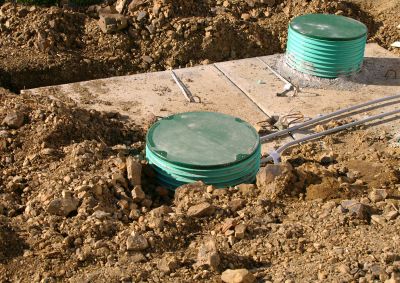


Septic alarm installation services involve setting up specialized devices designed to monitor the condition of a septic system. These alarms are typically installed on properties that rely on septic tanks for wastewater management, alerting homeowners to potential issues before they become serious problems. The process includes assessing the existing septic system, selecting the appropriate alarm type, and properly installing the device to ensure reliable operation. This service helps provide peace of mind by offering early warnings of potential malfunctions, such as high water levels or pump failures, which can prevent costly repairs and property damage.
Septic alarms are especially valuable in addressing common septic system problems like overflows, backups, or pump failures. When a septic tank becomes too full or a component like a pump malfunctions, it can lead to sewage backups or environmental hazards. An alarm system detects these issues promptly and alerts homeowners to take action before the situation worsens. Installing a septic alarm can be a proactive step to maintain the health of a septic system, reduce the risk of unsanitary conditions, and avoid the inconvenience and expense of emergency repairs.
These services are typically sought by homeowners in rural or suburban areas where properties rely on septic systems rather than municipal sewer lines. They are also common for properties with aging septic tanks or systems that have experienced prior issues. Septic alarm installation is suitable for residential properties of various sizes, including single-family homes, vacation cabins, and small commercial buildings that depend on septic systems for wastewater treatment. Knowing when and how to install an alarm system can be a practical solution for property owners aiming to safeguard their investment and ensure continuous, trouble-free operation of their septic systems.
When considering septic alarm installation, it’s important to work with experienced local contractors who understand the specific needs of properties in Denver County, CO, and nearby areas. These professionals can evaluate the existing septic setup, recommend the most appropriate alarm options, and ensure the device is correctly installed and functioning. Proper installation helps ensure the alarm system provides reliable alerts, giving homeowners early notice of potential problems. For those looking to enhance the safety and efficiency of their septic systems, connecting with qualified service providers can be a practical step toward maintaining a healthy and trouble-free wastewater management system.
The overview below groups typical Septic Alarm Installation projects into broad ranges so you can see how smaller, mid-sized, and larger jobs often compare in Denver County, CO.
In many markets, a large share of routine jobs stays in the lower and middle ranges, while only a smaller percentage of projects moves into the highest bands when the work is more complex or site conditions are harder than average.
Smaller Repairs - Typical costs for routine septic alarm repairs or sensor replacements generally range from $250 to $600. Many common maintenance jobs fall within this middle range, making it the most common expense for local contractors. Less complex projects tend to stay within this band.
Alarm System Installation - Installing a new septic alarm system usually costs between $600 and $1,200 for many standard setups. Larger or more customized systems can push costs higher, but most projects in Denver County land in this range.
Full System Replacement - Replacing an entire septic alarm system can range from $1,500 to $3,500 depending on the size and complexity. While fewer projects require full replacement, this range covers most larger installations handled by local pros.
Complex or Custom Projects - Larger, more complex septic alarm installations or upgrades can exceed $5,000 in some cases. These projects are less common and typically involve additional site work or specialized equipment, but they are within the scope of local contractors for appropriate jobs.
Actual totals will depend on details like access to the work area, the scope of the project, and the materials selected, so use these as general starting points rather than exact figures.
Septic System Maintenance - professionals who service and inspect septic systems often have the skills needed for installing septic alarms to ensure proper system operation.
Drain Field Installation - this project requires understanding of underground piping and soil conditions, similar to planning and installing septic alarm systems.
Underground Utility Line Installation - involves working with underground infrastructure, which shares planning, excavation, and safety considerations with septic alarm setup.
Water Pump Installation - installing water pumps involves electrical connections and system integration, comparable to connecting septic alarm components.
Sewage Ejector Pump Replacement - replacing or installing ejector pumps involves similar skills in handling underground systems and electrical wiring as septic alarm installation.
Drain Field Repair - repairing drain fields requires excavation and soil assessment, paralleling the planning and installation of septic alarm systems for proper monitoring.
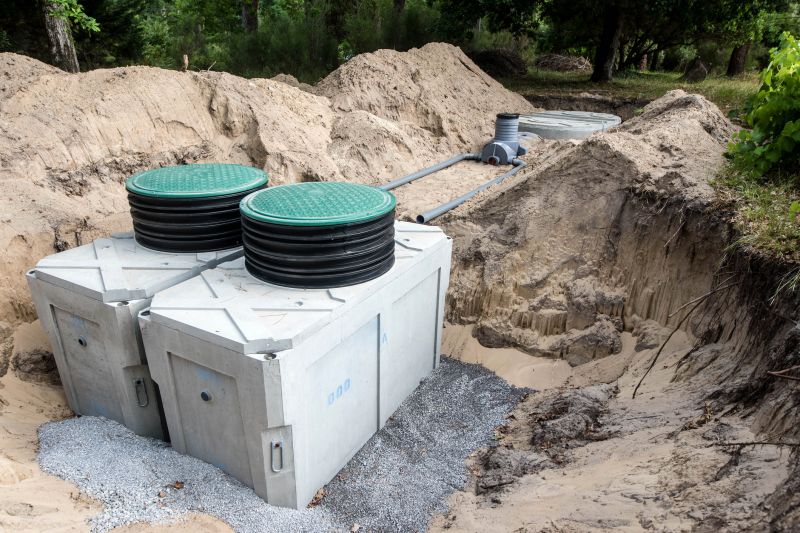
When comparing service providers for septic alarm installation, it’s important to consider their experience with similar projects. Homeowners should look for local contractors who have a proven track record of installing and maintaining septic alarm systems in properties comparable to their own. An experienced professional will be familiar with the specific requirements of septic systems in Denver County and nearby areas, helping to ensure the installation is performed correctly and efficiently. Gathering information about a contractor’s past work can provide insight into their familiarity with local codes and common challenges, which can be valuable in making an informed decision.
Clear, written expectations are essential when evaluating potential service providers. Homeowners should seek contractors who can provide detailed descriptions of the scope of work, including the installation process, materials used, and any necessary follow-up or maintenance. Having these expectations documented helps prevent misunderstandings and ensures everyone is aligned on the project’s goals. It’s also worthwhile to request a list of reputable references from previous clients who had similar septic alarm systems installed, as this can offer a better understanding of the quality and reliability of the contractor’s work.
Effective communication plays a key role in selecting the right professional for septic alarm installation. Homeowners should prioritize local service providers who are transparent, responsive, and willing to answer questions clearly. Good communication helps build trust and ensures that any concerns or special requirements are addressed promptly. Since the site introduces homeowners to local options, it’s important to remember that it does not perform the work itself but acts as a resource to connect property owners with qualified service providers capable of handling the installation professionally and reliably.
Property owners in Denver County, CO use Septic Alarm Installation services for practical projects around their homes and businesses. This guide focuses on everyday jobs and straightforward project options.
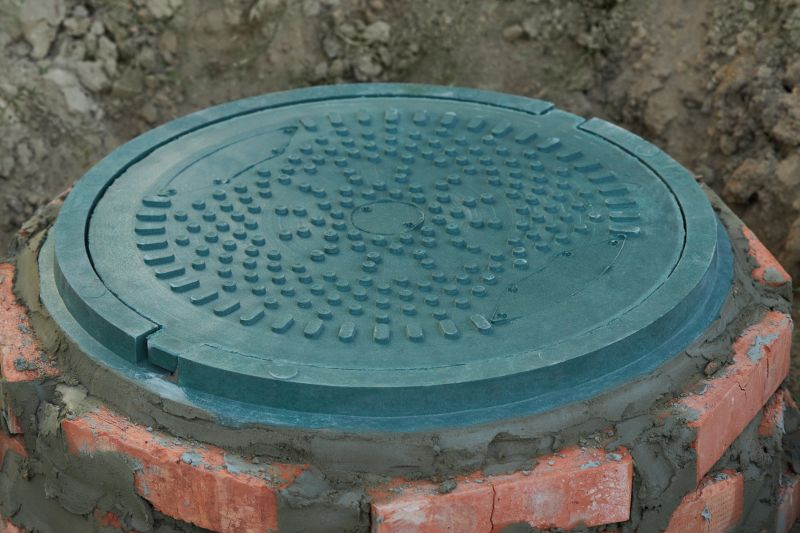

Septic alarm installation is often needed when property owners in Denver County notice signs of system trouble, such as unusual odors, slow drains, or alarms sounding unexpectedly. These alarms serve as early warnings that the septic system may be experiencing issues, helping to prevent more costly repairs or backups. Local contractors can assess the situation, determine if a new alarm system is appropriate, and handle the installation to ensure the system continues functioning properly and alerts residents to potential problems.
Homeowners with aging septic systems or those experiencing frequent system alerts might seek professional installation services to upgrade or replace their existing alarms. Additionally, property owners planning renovations, expansions, or new construction may require expert assistance to integrate septic alarm systems that meet local requirements. Connecting with experienced local service providers can help ensure that septic alarm systems are installed correctly, providing peace of mind and reliable monitoring for properties across Denver County.
What is involved in installing a septic alarm system? Septic alarm installation typically includes setting up sensors to monitor tank levels and connecting alarms to alert homeowners of potential issues, with local contractors handling the process.
Why is a septic alarm important for my system? A septic alarm helps detect problems like high water levels or system malfunctions early, allowing for prompt maintenance and preventing costly repairs.
Can local service providers customize septic alarm systems for different properties? Yes, many local contractors offer customized solutions based on the size and specific needs of a property’s septic system.
What types of septic alarms are available through local contractors? Options include electronic alarms that sound when certain thresholds are exceeded and visual indicators to alert homeowners of system issues.
How do local pros typically handle septic alarm installation projects? They assess the existing septic system, select appropriate alarm components, and professionally install and test the system to ensure proper operation.
Septic Alarm Installation - Property owners can enhance the safety of their septic systems by having alarms installed to monitor system performance and alert them to potential issues.
Septic Alarm Installation - Homeowners planning a new septic system can include alarm installation as part of their setup to ensure early detection of malfunctions.
Septic Alarm Installation - Those experiencing frequent septic system alerts can work with service providers to upgrade or replace their alarms for more reliable monitoring.
Septic Alarm Installation - Property managers overseeing multiple properties can coordinate with local contractors to ensure all septic systems are equipped with proper alarm systems.
If you are thinking about Septic Alarm Installation for a property in Denver County, CO, this guide is meant to help you understand the work, the typical project types, and how different options might fit your plans.
When you are ready, you can use the quote form on this page to share a few details about your project. From there, local pros can review the basics and respond with options that match what you have in mind.