Optimal Timing for Septic Alarm Installation
Septic alarm installations are most effectively performed during periods of stable weather, avoiding extreme cold or wet conditions that can hinder installation processes. Typically, late spring and early fall offer optimal conditions for installation due to moderate temperatures and manageable ground moisture levels. Proper timing ensures the system functions correctly and reduces installation complications.
Installing septic alarms during these optimal periods can minimize disruptions and ensure the system's longevity. It is also advisable to schedule installations before periods of heavy usage or before seasonal changes that may impact the system's performance. Proper timing contributes to system reliability and reduces the risk of future repairs.
Septic alarm installations should be scheduled during moderate weather to avoid delays caused by extreme cold, heat, or excessive moisture.
Late spring and early fall are preferred for installation due to favorable ground and air temperatures.
Installing alarms before periods of high system usage helps ensure proper functioning and reduces potential issues.
Dry, stable ground conditions facilitate easier installation and reduce complications.
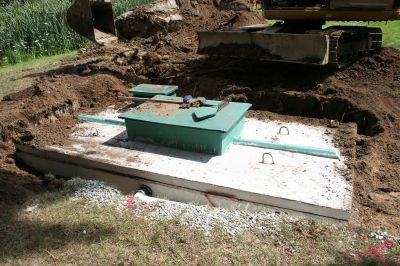
An overview of the main parts involved in septic alarm installations.
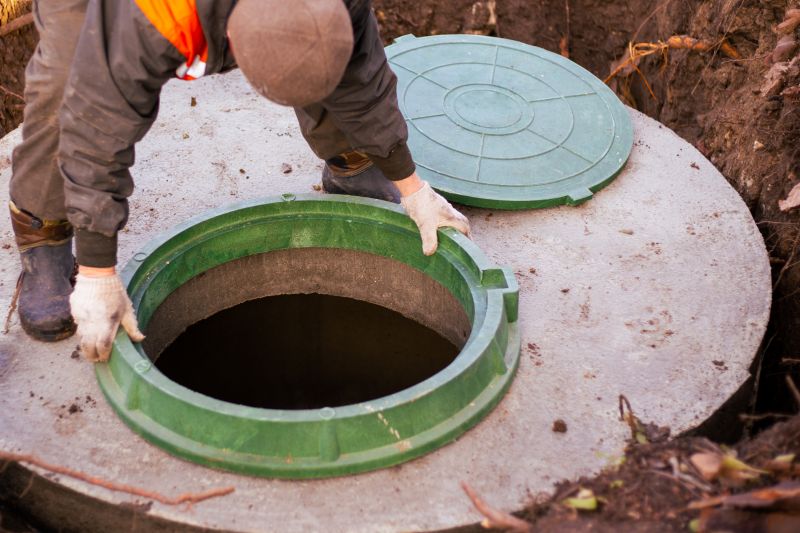
Workers installing septic alarms in favorable weather conditions.
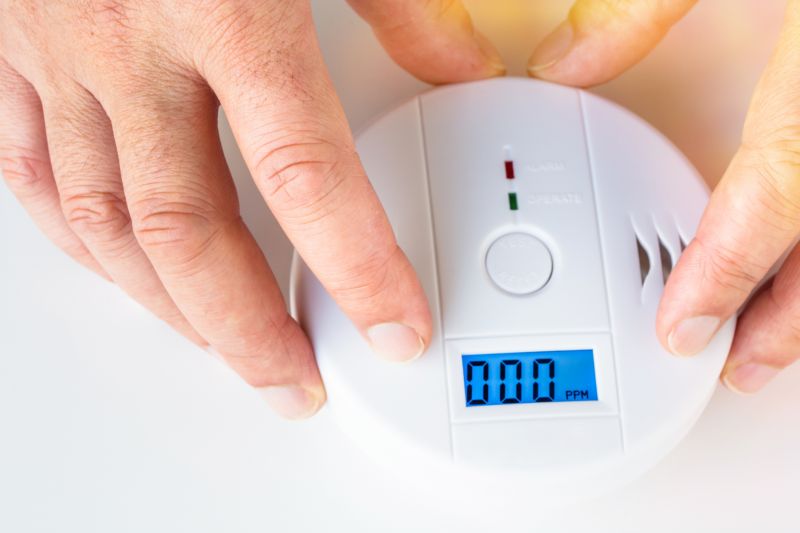
Septic alarm monitoring panels being set up in a typical installation.
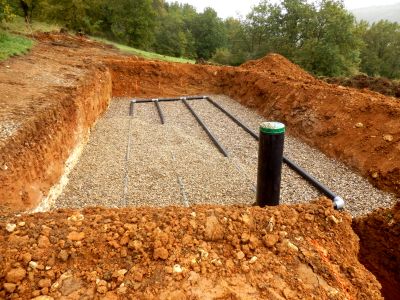
Ways to make Septic Alarm Installations work in tight or awkward layouts.
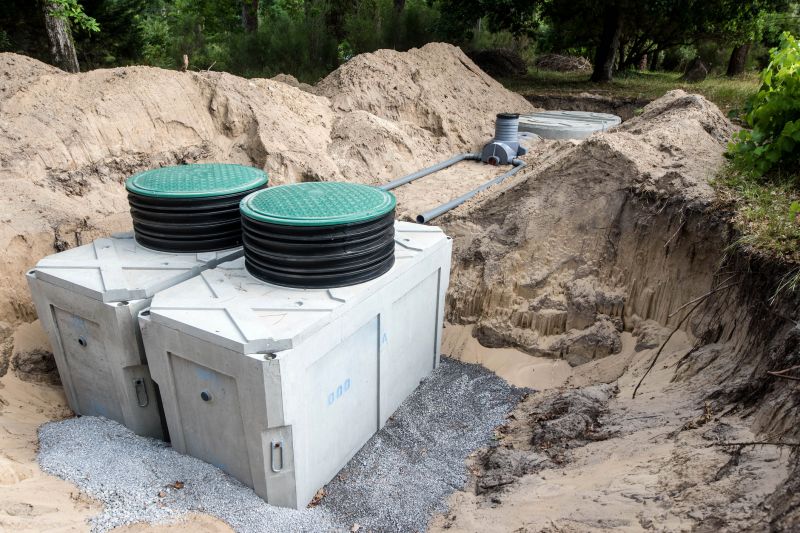
Popular materials for Septic Alarm Installations and why they hold up over time.
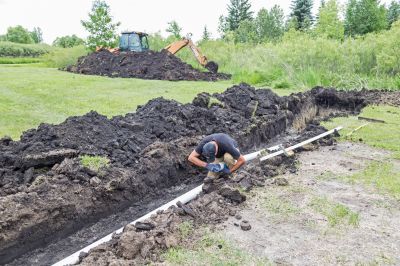
Simple add-ons that improve Septic Alarm Installations without blowing the budget.
| Factor | Best Timing for Septic Alarm Installation |
|---|---|
| Weather Conditions | Moderate temperatures and dry ground |
| Season | Late spring or early fall |
| System Usage | Before high usage periods |
| Ground Moisture | Low moisture levels |
| Temperature Stability | Avoid extreme cold or heat |
| Accessibility | Weather permitting for ease of access |
| Preparation Time | Allow planning before seasonal changes |
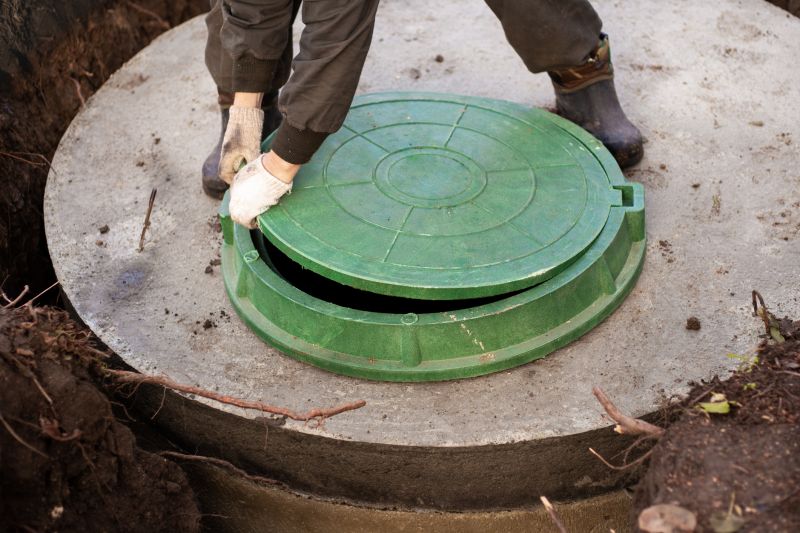
Close-up of septic alarm sensors and control panels.
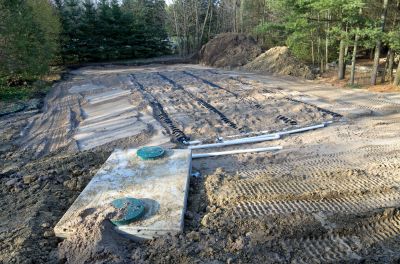
Prepared site for septic alarm setup in optimal conditions.
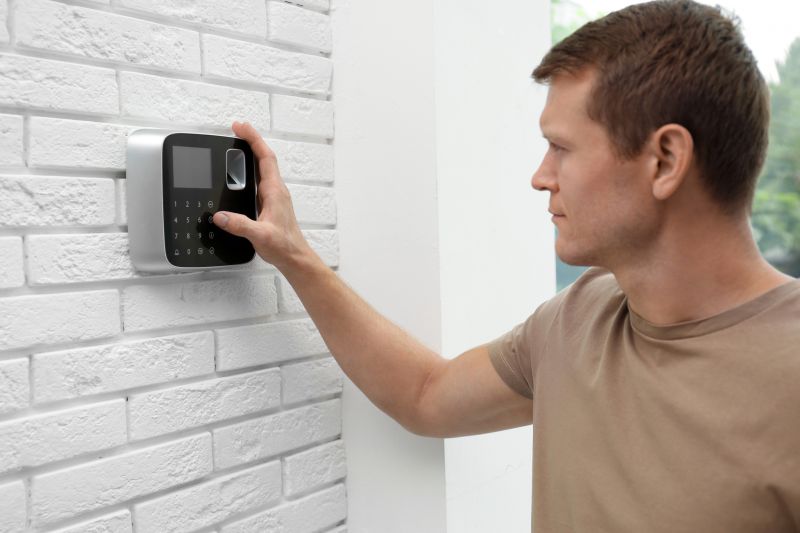
Monitoring panel installed in a residential setting.

Inspecting the septic alarm system after installation.
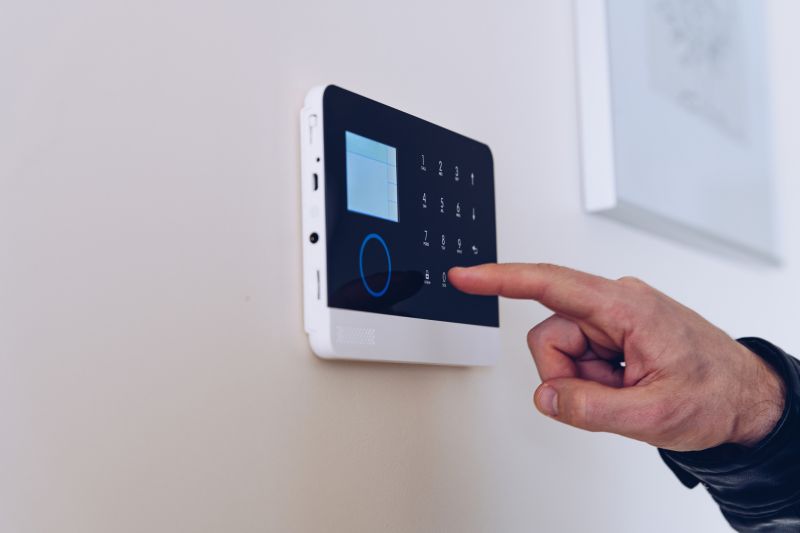
High-end options that actually feel worth it for Septic Alarm Installations.
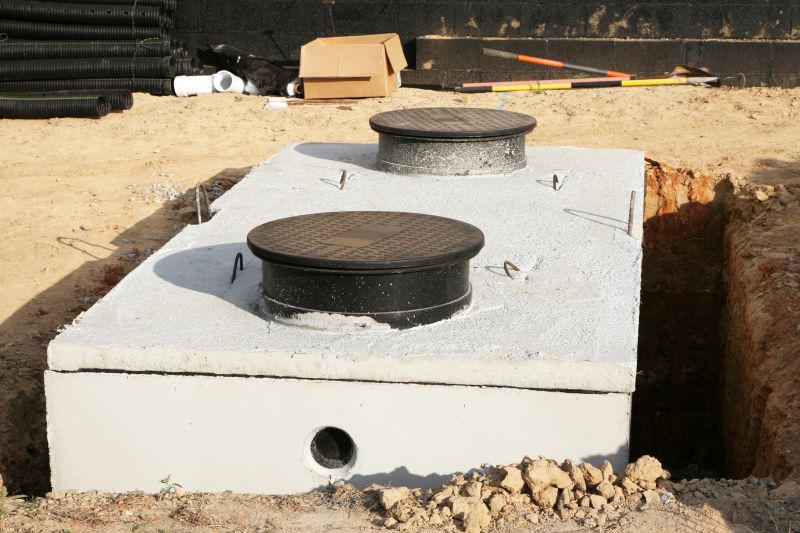
Finishes and colors that play nicely with Septic Alarm Installations.
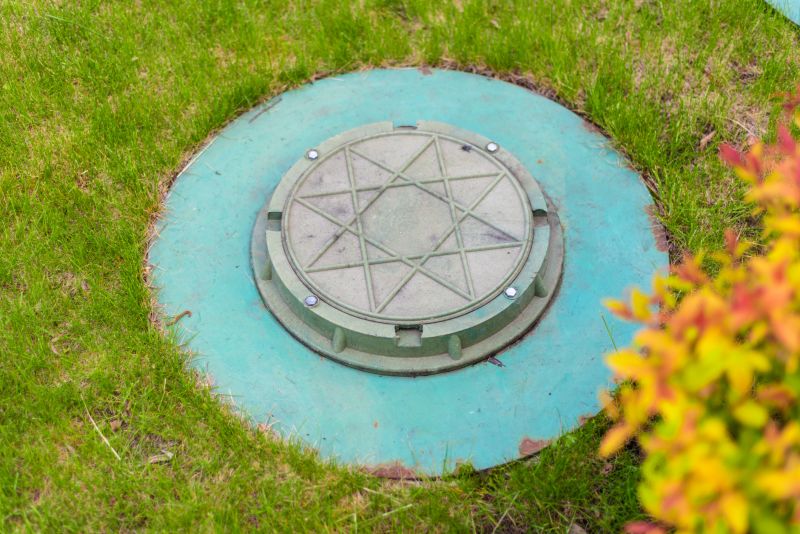
Little measurements that prevent headaches on Septic Alarm Installations day.
A 60-second routine that keeps Septic Alarm Installations looking new.
Proper timing of septic alarm installations is crucial for ensuring system reliability and longevity. Installing during favorable weather and seasonal conditions minimizes potential complications and facilitates smoother setup. Planning ahead and considering local climate patterns can lead to more effective and durable installations.
Interested in scheduling a septic alarm installation? Fill out the contact form to get more information and assistance with planning the optimal timing for your system setup.