Septic System Relocation in Denver, CO
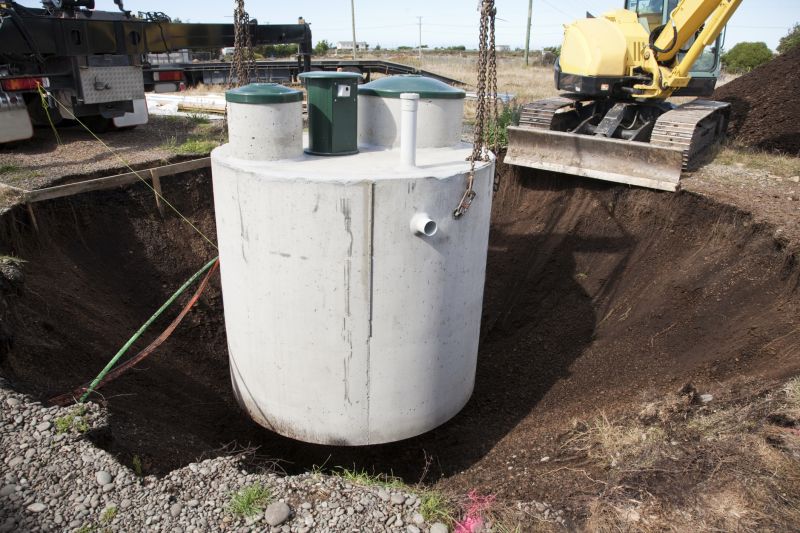
Septic system relocation involves carefully moving an existing septic tank and drain field to a new location on a property. This service is often needed when homeowners plan new construction, renovations, or landscaping that interfere with the current septic setup. Projects can include shifting the system to a different part of the yard, replacing an outdated or damaged tank, or adjusting the system to meet updated property layout needs. Property owners should consider factors like soil conditions, property boundaries, and local regulations before requesting a septic system relocation to ensure the new installation will function properly and comply with any applicable codes.
Before requesting septic system relocation services, property owners typically want to understand the scope of work involved, including site assessments and any necessary permits. It’s also important to consider the impact on existing structures, accessibility for equipment, and the potential need for additional drainage or soil modifications. Clarifying these details helps ensure the project aligns with the property’s layout and future plans, while also addressing any concerns related to environmental factors or property boundaries.
Many property owners in Denver, CO look into Septic System Relocation for repairs, replacements, upgrades, and appearance-related improvements.
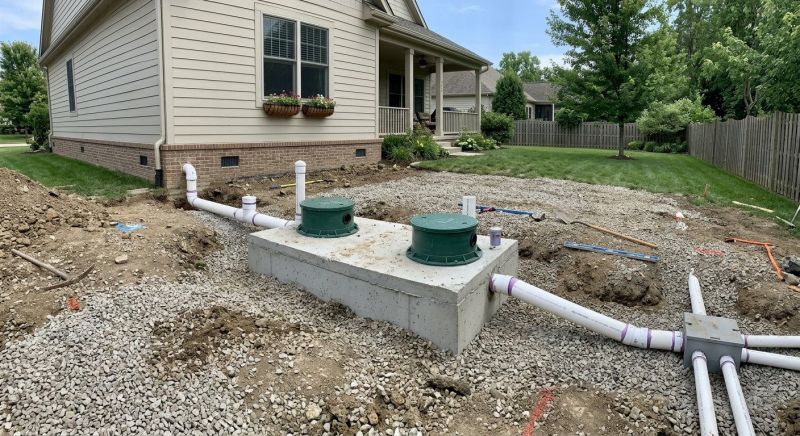
Septic System Relocation Planning
Assessing site conditions and designing a new placement for optimal function.
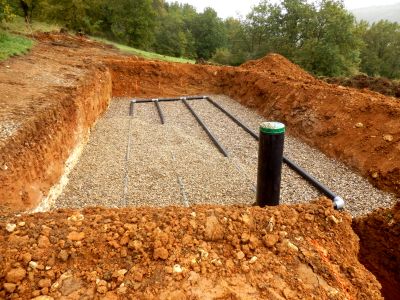
Septic System Transfer Process
Safely disconnecting and moving septic components to accommodate property changes.
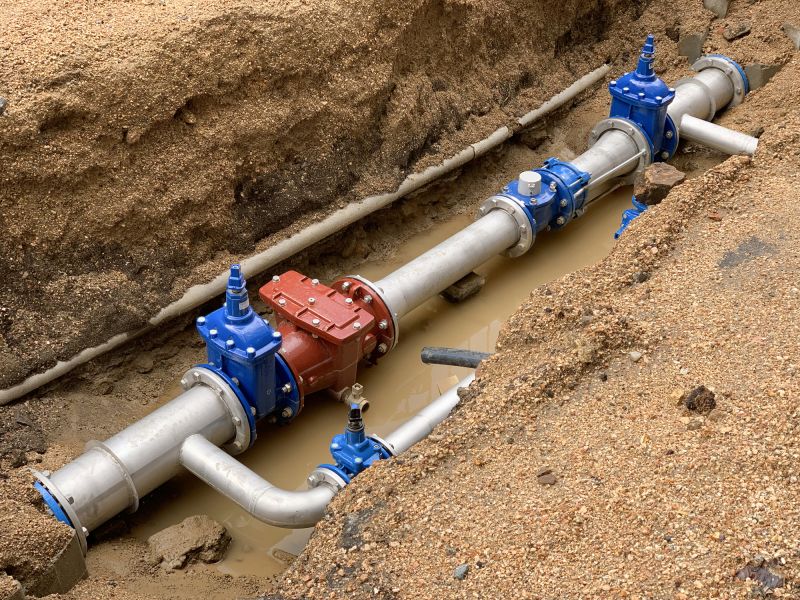
Septic System Regulations & Permits
Ensuring compliance with local codes and obtaining necessary approvals in denver, co.
Septic System Relocation in Denver, CO

Septic system relocation involves carefully moving an existing septic tank and drain field to a new location on a property. This service is often needed when homeowners plan new construction, renovations, or landscaping that interfere with the current septic setup. Projects can include shifting the system to a different part of the yard, replacing an outdated or damaged tank, or adjusting the system to meet updated property layout needs. Property owners should consider factors like soil conditions, property boundaries, and local regulations before requesting a septic system relocation to ensure the new installation will function properly and comply with any applicable codes.
Before requesting septic system relocation services, property owners typically want to understand the scope of work involved, including site assessments and any necessary permits. It’s also important to consider the impact on existing structures, accessibility for equipment, and the potential need for additional drainage or soil modifications. Clarifying these details helps ensure the project aligns with the property’s layout and future plans, while also addressing any concerns related to environmental factors or property boundaries.
Many property owners in Denver, CO look into Septic System Relocation for repairs, replacements, upgrades, and appearance-related improvements.
Common Septic System Relocation Jobs
Septic System Relocation - involves moving an existing septic system to a new location on the property.
Property Expansion Projects - supports home additions or landscaping by relocating the septic system.
Drainfield Replacement - includes moving the drainfield to improve system performance and soil conditions.
Site Reassessment - involves evaluating the current system to determine the best new placement.
Regulatory Compliance - ensures the relocation meets local codes and environmental guidelines.
System Decommissioning - includes safely shutting down the old system before installing a new one.
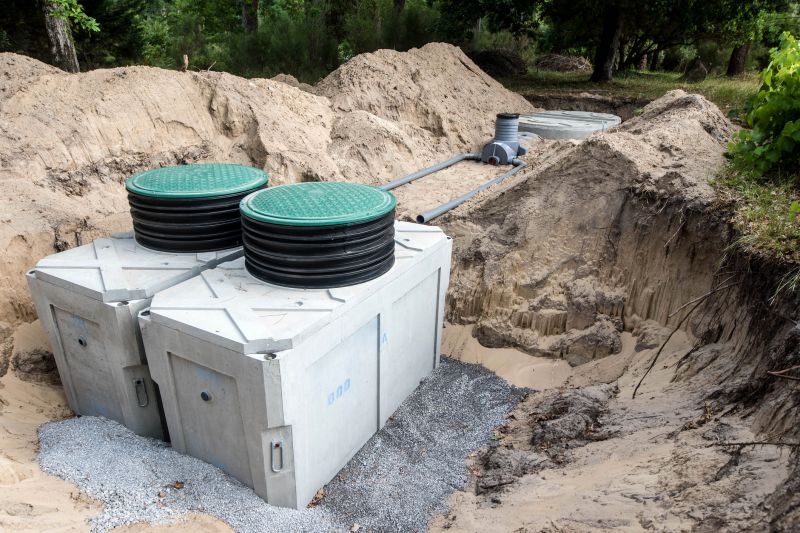
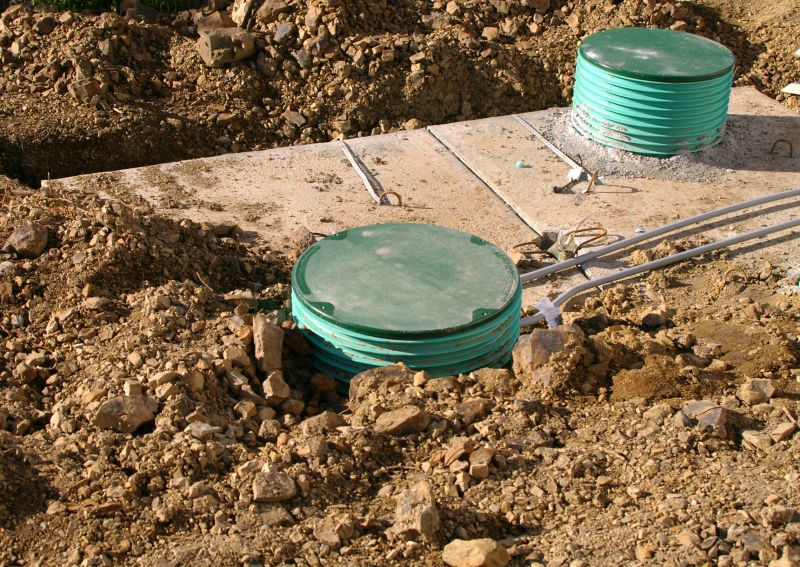
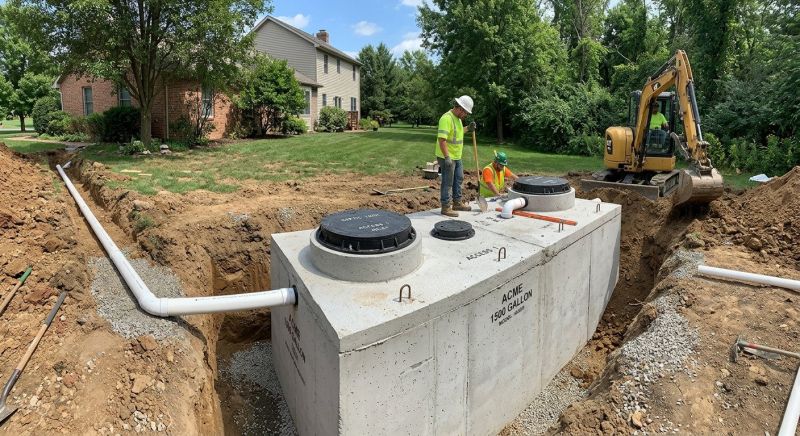
Septic System Relocation Questions
When is it necessary to relocate a septic system? Relocation may be needed due to property development, changes in land use, or issues with the current system location.
What factors influence the complexity of a septic system relocation? Soil conditions, property size, and existing infrastructure can affect the scope of the project.
How should property owners prepare for a septic system relocation? Ensuring clear access to the site and providing existing system details can facilitate the process.
What are common reasons for choosing to relocate a septic system? Reasons include expanding property, avoiding future conflicts with structures, or resolving existing system problems.
Request Septic System Relocation in Denver, CO
Use the quote form on this page to share the basics of your project and request more information for the type of work you need.